
Where You Could Hear from Us: Lectures on 3D Technology
The application of 3D technologies in veterinary practice is still considered novel, which is why it is important for us to participate in its popularization.

A mongrel dog was presented with grade IV medial patellar luxation in the left hind limb along with torsional limb deformity, a severe condition causing significant lameness, instability, and pain. In this case, correcting the trochlear groove alone was not enough - the femur and the tibia also required corrective alignment to restore proper joint mechanics.
To support the surgeon in this complex procedure, LimesVet was asked to deliver a solution that combined accurate correction with reliable implant placement.
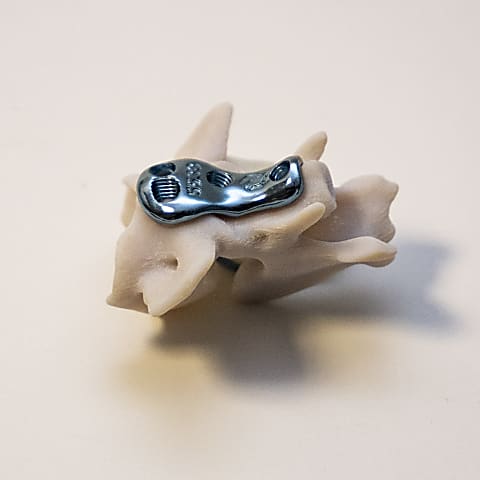
Using advanced 3D planning and patient-specific design, we created and 3D printed a custom surgical guide. This guide enabled precise femoral angular correction and helped define the exact positioning of the TROCA patellar groove prosthesis during surgery. In combination with the guide, the veterinarian used the TROCA 56 implant to restore proper trochlear surface and patellar route, and afterwards corrected the placement of the tibial tuberosity.
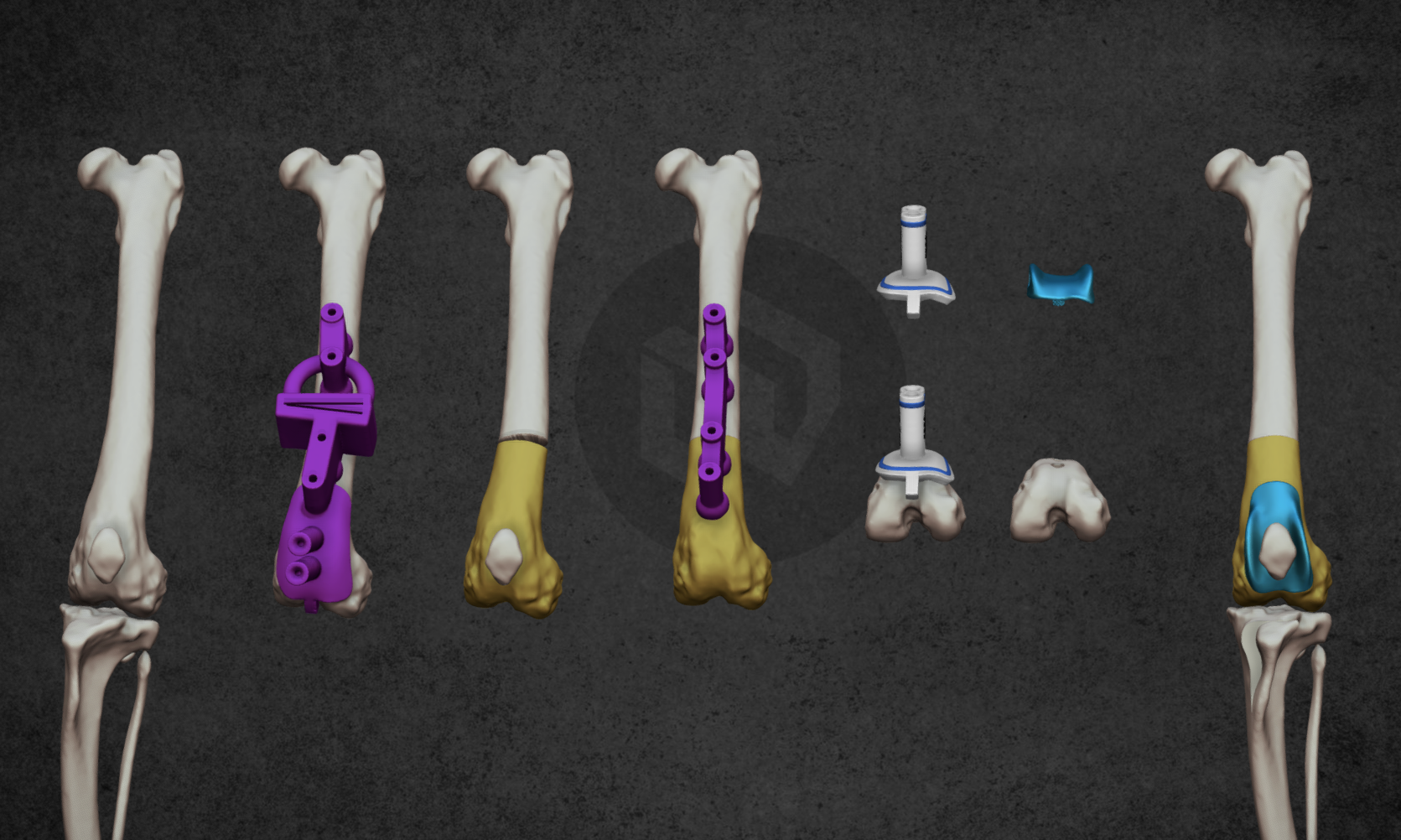
A key advantage of the TROCA system is that it does not require trochlear osteotomy of the patellar groove, while still fully matching the patient’s individual anatomy, and adjusting proper trochlear ridge heights. This allows for a less invasive approach, precise fit, and predictable biomechanical alignment.
This integrated solution reduced intraoperative uncertainty, increased surgical confidence, and resulted in a more stable stifle joint and a smoother recovery for the patient.
Cases like this demonstrate how personalized 3D-printed surgical guides combined with anatomy-matching implant systems can elevate complex orthopedic procedures - delivering greater safety for the veterinarian and better outcomes for the patient.
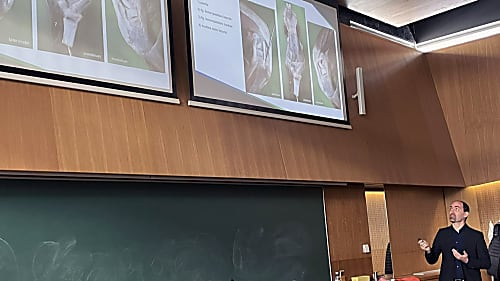
The application of 3D technologies in veterinary practice is still considered novel, which is why it is important for us to participate in its popularization.

Professional chefs who have hundreds of recipes in their head and decades of experience in their hands are always able to invent new recipes by making use of the accessible ingredients and conforming to the trends. They experiment with either new ingredients or methods but it can also happen that they revamp the old and conventional dishes and they serve them in a more modern form.
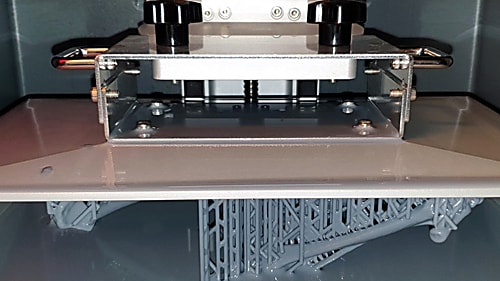
3D printing has an almost 40-year-long history of continuous development. Since its start, more and more printing technologies and materials have been emerging. We can create prints from hard filament, liquid resin and plastic or metal powder.

Personalized implants
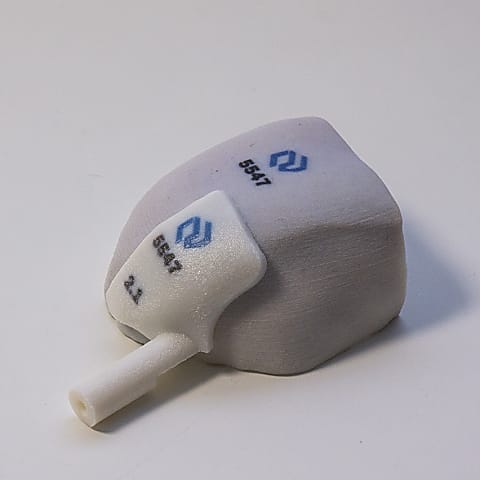
Patient-specific surgical equipment

Patient-specific surgical equipment
Personalized implants
